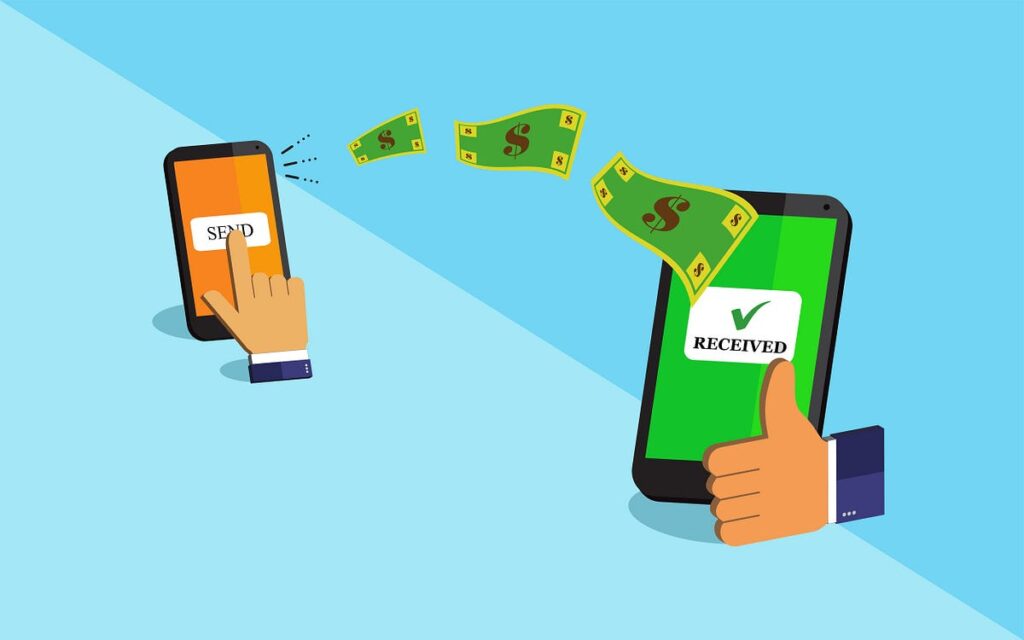
If you are a freelancer or agency owner in Nigeria, you know the anxiety: You land a $2,000 client, but then comes the awkward question: “How do I pay you?”
If you say “Western Union” or “Direct Bank Transfer,” you look unprofessional. If you use PayPal, you risk getting banned. And if you use a standard bank, you lose 10% of your money to terrible exchange rates.
As a Digital Strategist running a Lagos-based agency, I have tested almost every platform to find the ones that are fast, reliable, and offer the best rates.
Here is the Digital Infrastructure you need to get paid in 2026.
1. The “Big Three” Virtual Accounts (Tested)
The modern standard is the Virtual Domiciliary Account. These platforms give you a real US/UK bank account number that you can put on an invoice.
Option A: Geegpay (Best for Rates)
Geegpay has become a favorite for Nigerian freelancers because their exchange rates usually beat the market.
- Pros: Very fast automated withdrawals to Naira. Provides a virtual dollar card.
- Cons: Their verification process can be strict.
- Best For: Freelancers needing quick cash flow.
Option B: Grey (Best for Multi-Currency)
Grey (formerly Abeg) is excellent if you have clients in the UK or Europe, as their GBP and EUR accounts are very stable.
- Pros: Clean mobile app. Good for swapping between currencies.
- Cons: Occasionally slower withdrawal times during peak periods.
- Best For: Agencies with European clients.
Option C: Payoneer (The “Old Reliable”)
Payoneer is the industry standard for platforms like Upwork and Fiverr.
- Pros: Trusted by every major US company. You will almost never get a payment flagged for security.
- Cons: Their exchange rate is often terrible (often ₦50-₦100 less per dollar than the black market).
- Strategy: Use Payoneer to receive the money, but try to move it elsewhere to withdraw it if you want better rates.
2. The “Crypto/Stablecoin” Route (Advanced)
For clients who are tech-savvy, accepting USDC or USDT (Stablecoins) is the ultimate “Digital Infrastructure” move.
- Speed: Instant.
- Fees: Near zero (on networks like Solana or Polygon).
- The Trap: Do not accept Bitcoin for business payments unless you want to gamble on the price. Stick to Stablecoins (1 USDC = $1).
- How to Invoice: Use a platform like Request Finance to send a professional crypto invoice. Do not just send a wallet address in a WhatsApp message—it looks shady.
3. The “Professionalism” Factor: It’s Not Just About the Account
Getting the money is one thing; looking like a business is another.
If you send a client a frantic WhatsApp message saying “Pls use this account, hurry up,” you look desperate.
You need an Invoicing System.
- Level 1: Use Zoho Invoice (Free). It allows you to add your Geegpay/Grey details permanently to the footer.
- Level 2: Build a Custom Client Portal (What I do).
- I build custom portals where clients can log in, view their contract, and pay via Stripe/Crypto in one click. This level of infrastructure allows you to charge premium rates because you look expensive.
Conclusion: Build Your Financial Infrastructure
Don’t wait until the invoice is due to figure this out. Open accounts with at least two of the platforms above (always have a backup).
Stop treating your payments like an afterthought. Treat them like infrastructure.
Need help setting up a professional Client Portal or Automating your Invoices? I help agencies build automated billing systems that look professional and save time. [Book a Strategy Call Here].
Which app gives the best dollar rate in Nigeria?
Currently, Geegpay and Grey tend to offer rates closest to the parallel market rate, significantly higher than official bank rates or Payoneer.
Can I use PayPal in Nigeria to receive money?
Technically, yes, via a business account, but it is highly risky. PayPal frequently bans Nigerian accounts with funds inside them without warning. We recommend using a Virtual Domiciliary account instead.
What is the best way to withdraw money from Upwork in Nigeria?
The most efficient route is usually Upwork -> Payoneer -> Geegpay/Grey -> Naira. While it involves multiple steps, you often get a much better exchange rate than withdrawing directly to a Nigerian bank